Meet the beekeepers
and the field officers
Our beekeepers are the centre of the process
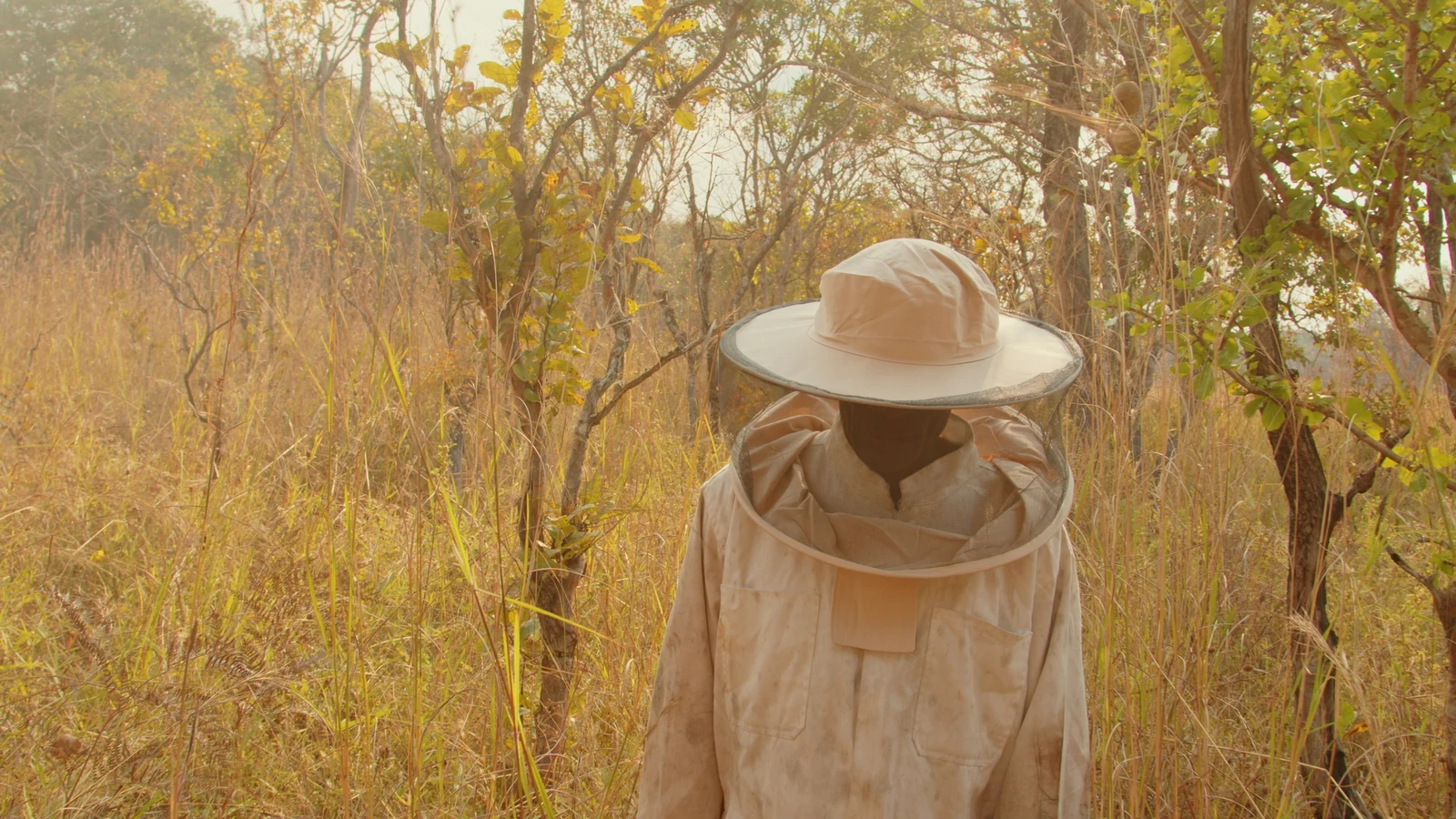
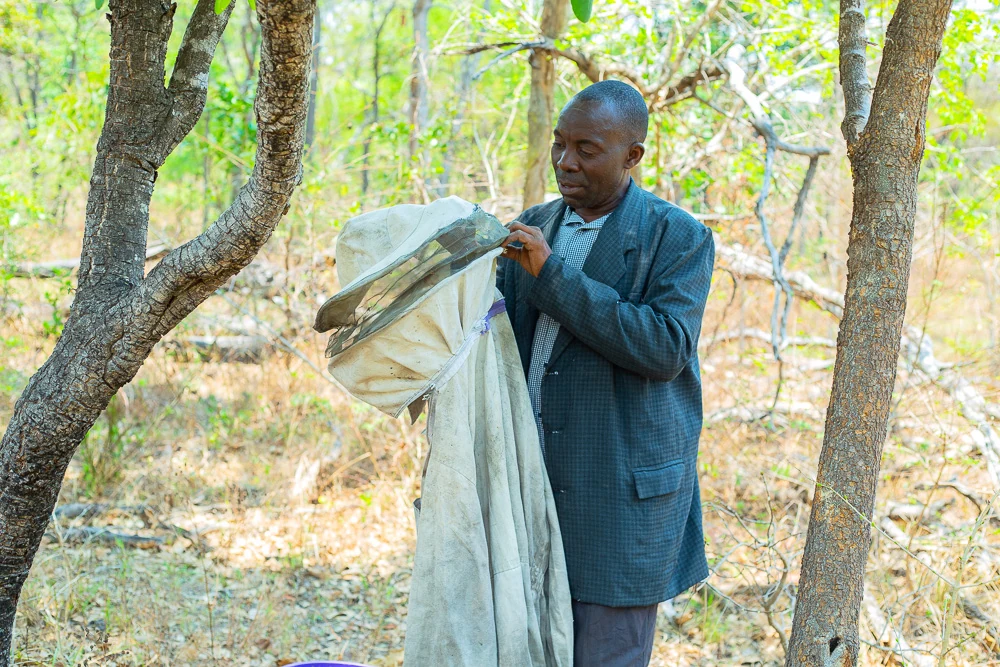
Our honey wouldn’t exist without the dedication of our registered beekeepers — local heroes who live and work in the communities where our bees thrive.
Profiles
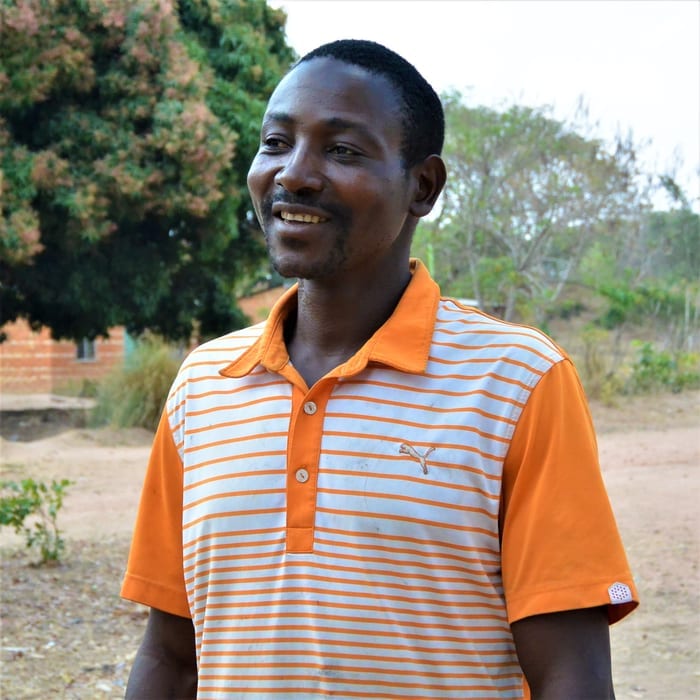
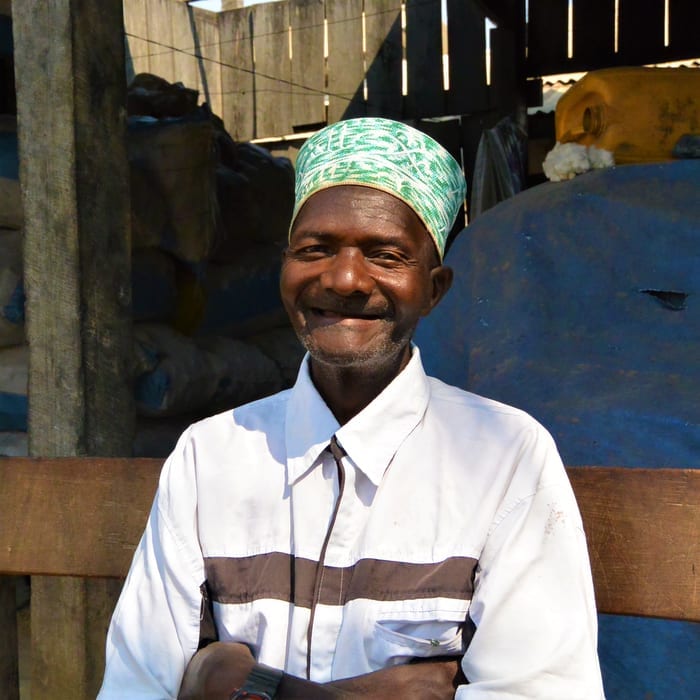
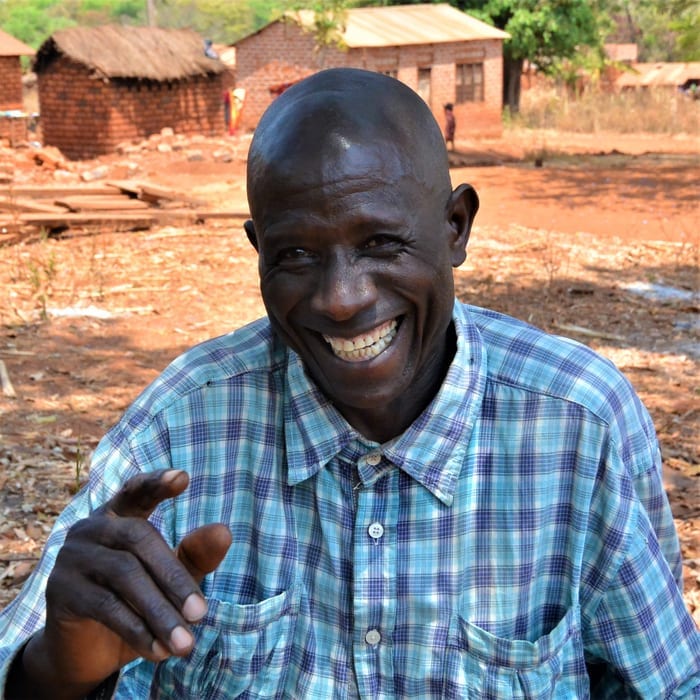
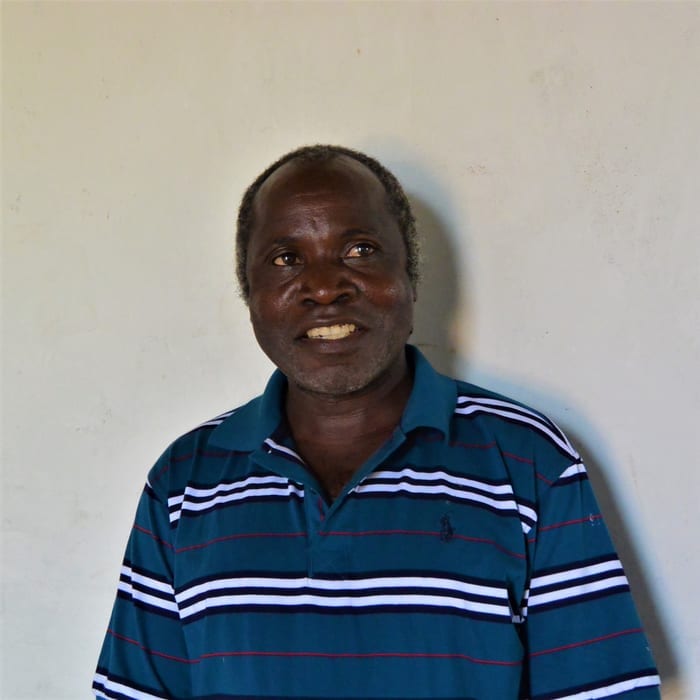
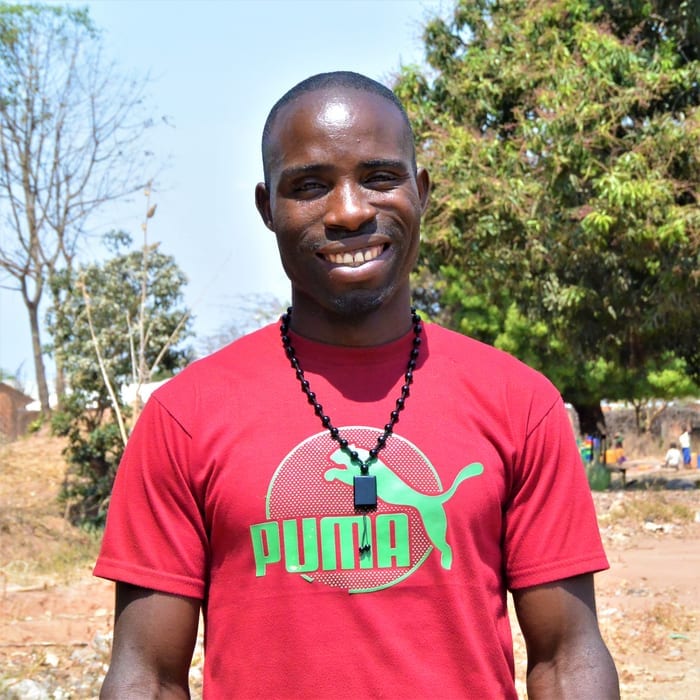
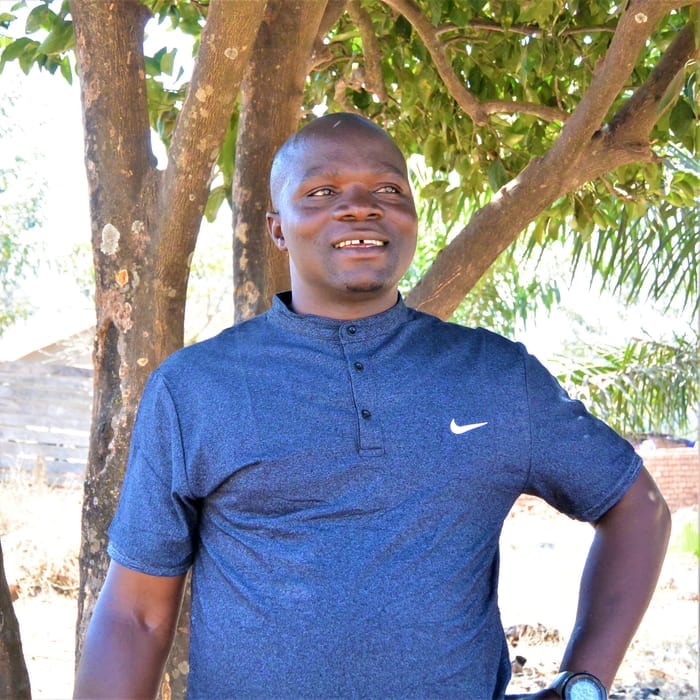
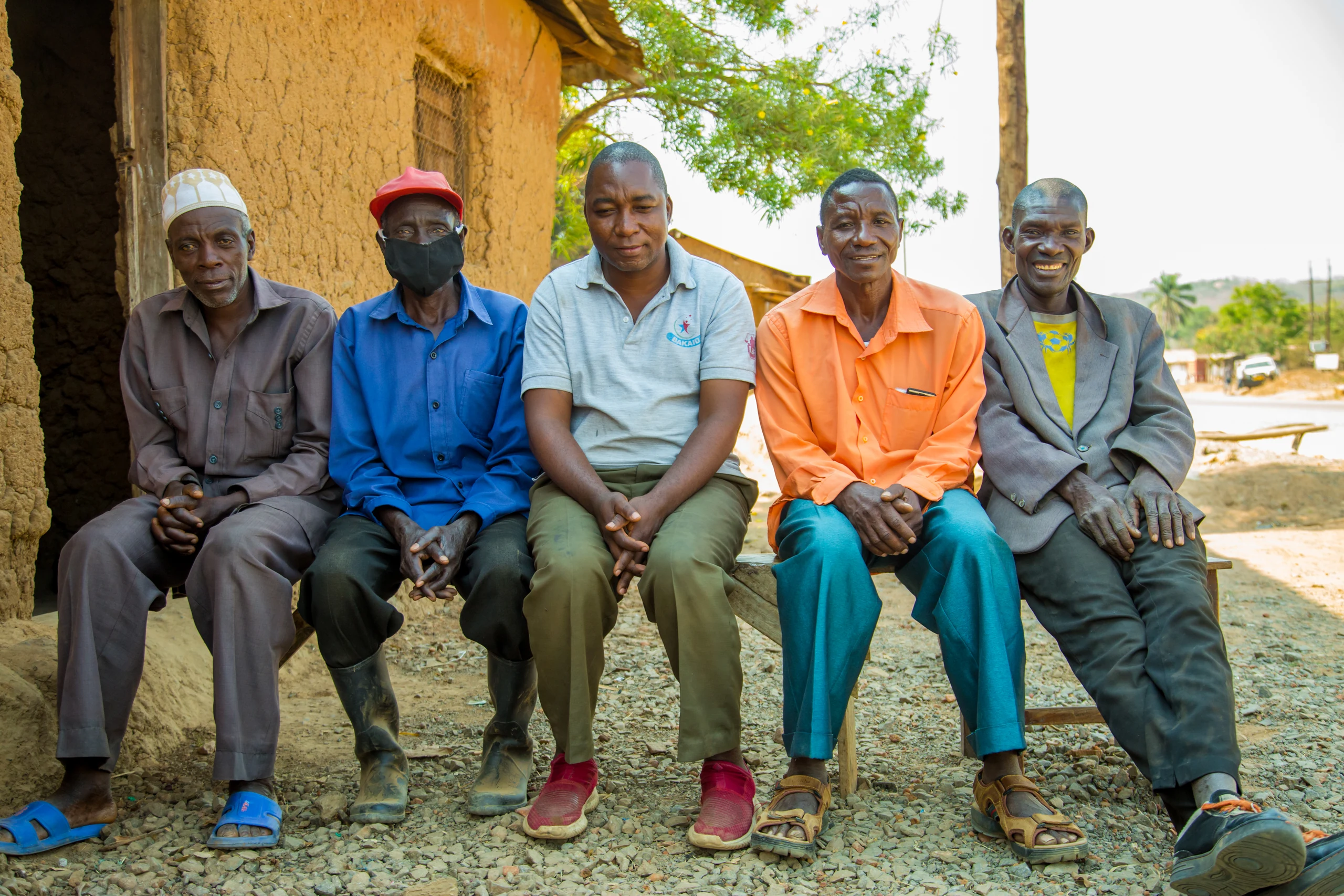
Some of the people who harvest our honey
Daniel Ndanda
Usinga village
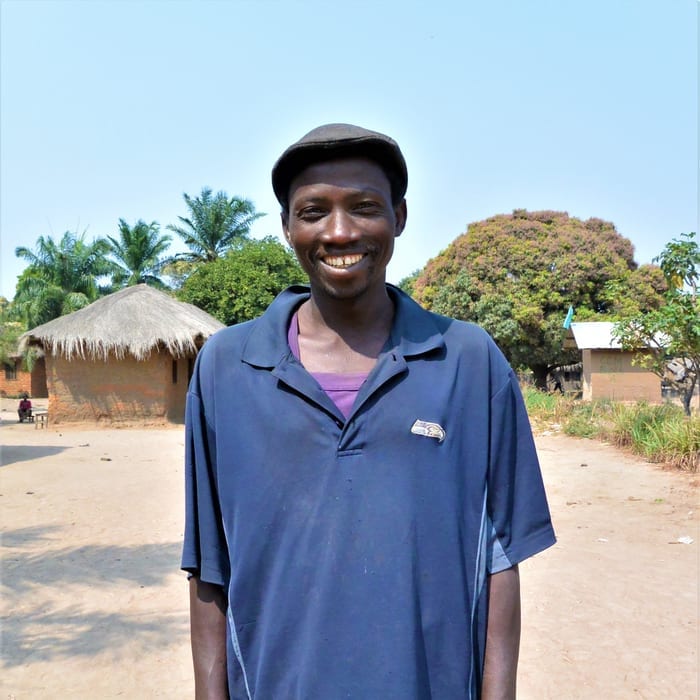
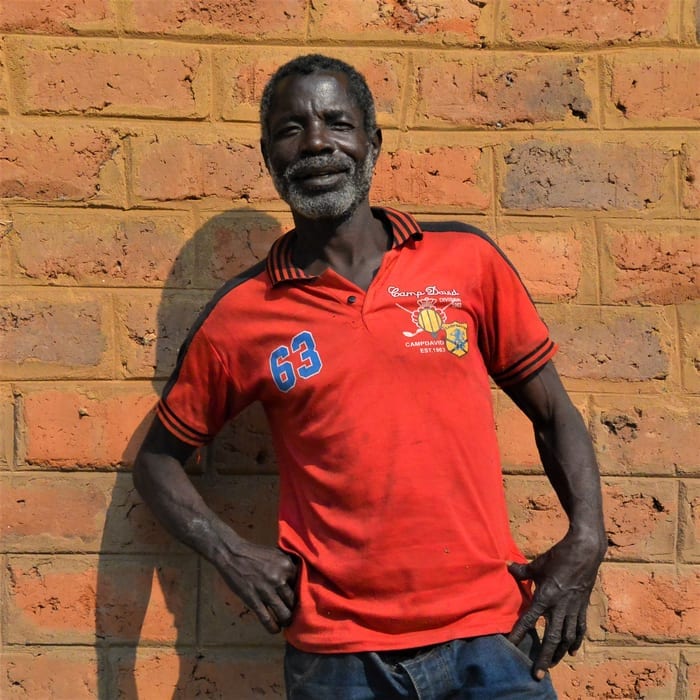
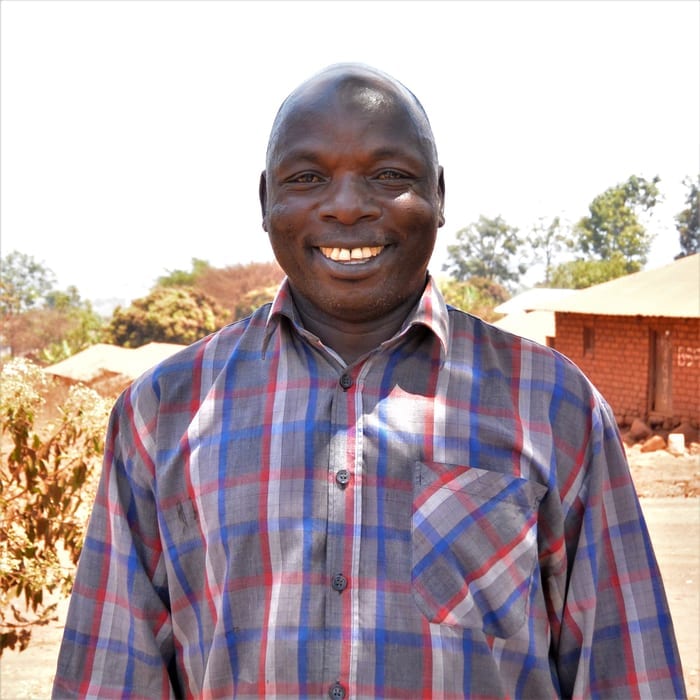
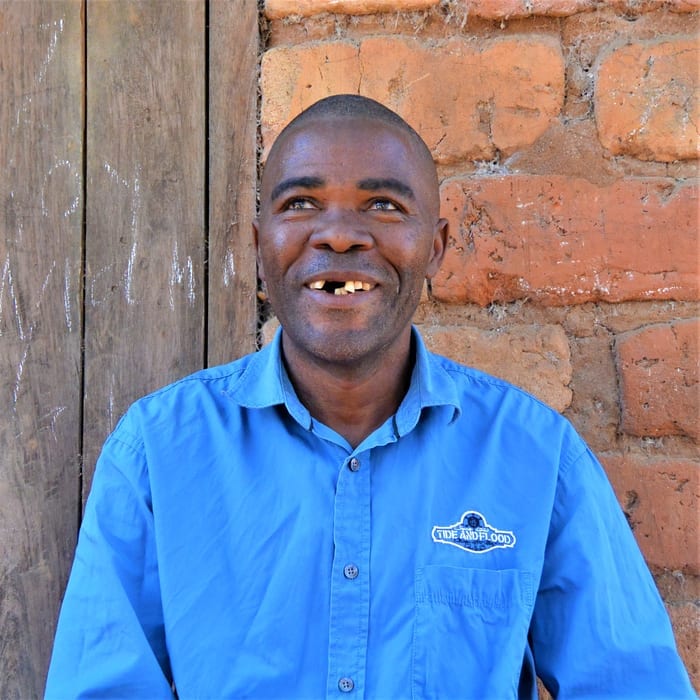
An important beekeeper in Usinga, Daniel keeps more than 2,000 beehives. He learned about harvesting honey at school and continued his family’s tradition. When he feels tired, his recipe is to cook eggs and honey together.
Magoma Lucas
Mlele
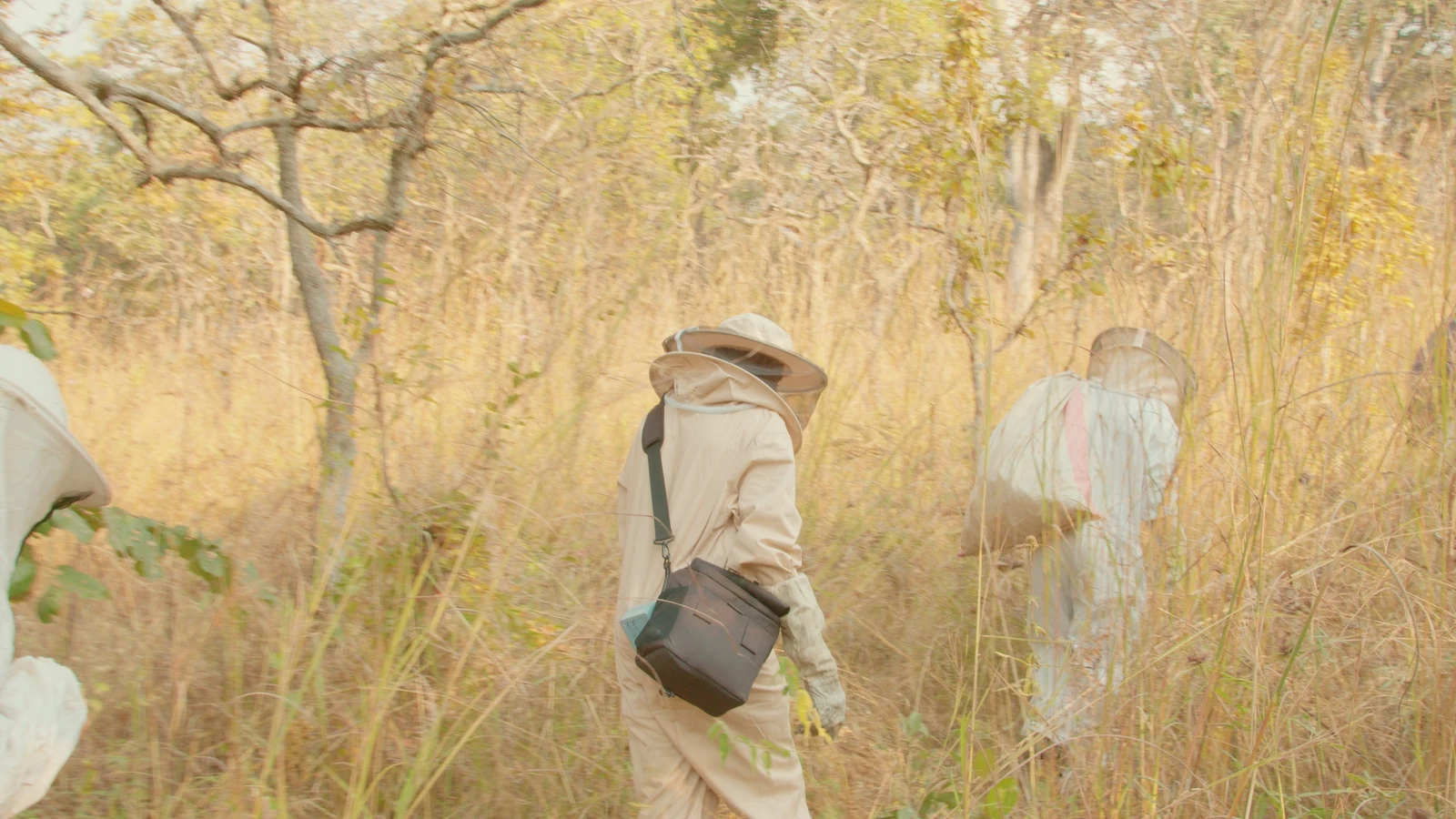
A father of three, Magoma has been a beekeeper for more than twenty years and knows the forest well. He hopes to keep growing his honey business.
“I don’t mind meeting the lions — they are field companions.”
Josephat Charles
Moyowosi Game Reserve
Fifty-eight years old and a beekeeper in the Moyowosi Game Reserve since 1997. Beekeeping has put his children through universities in Morogoro, Bukoba and Kigoma.
“In my life, if I have bees, I have no stress.”
Idi Mauridi
Msima Controlled Area
A father of six, four years into beekeeping in the Msima Controlled Area. He took it up to raise his income and steady his family’s finances.
“I feel happy because it worked.”
Uziyeli Ntamba
Tongwe West Forest Reserve
Uziyeli started organic beekeeping in 2008 in the Tongwe West Forest Reserve, because the honey there is the best. It supports his wife and their eight children.
“I feel happy and energetic when I sell honey.”
Iddy Sungura
Mpanda Line Forest Reserve
Sixty-six years old, with 208 beehives and thirty-eight years of experience. Beekeeping let him buy a farm. His best encounter in the forest was watching lions hunting an antelope.
Elias Malola
Moyowosi Game Reserve
A beekeeper in the Moyowosi Game Reserve since 1997. He learned to harvest honey with his friends while looking for a better life — and it was those same friends who once saved him from a lion.
Mkayiwa Kasiholi
Kigosi Game Reserve
Mkayiwa learned to build traditional beehives with his father. Almost thirty years on he still uses them, producing organic honey in the Kigosi Game Reserve as his family has for generations.
Kasanga Paul
Msima Controlled Area · Uruwira
Thirty-six years old and three years into beekeeping in the Msima Controlled Area. It let him finish building his house in Uruwira. Out harvesting, he likes watching the antelope and giraffes.
Hosea Kasala
Katambike village
Forty-three years old, and learning about beekeeping since he was ten. It gives his family a comfortable life, and he hopes one day to open his own food shop in the village.
Ten of more than a hundred registered beekeepers whose profiles we hold. Hive counts and apiary sizes are as recorded at the time of their last field visit.
In their words
Letters to the people who buy their honey
Beekeepers write to our customers directly. These are their own words, translated from Swahili.
“Thanks for buying my honey. I started with 400 and now have 900 hives.”
Athumani Makano
“I am so grateful to you for buying my honey. This is because it has enabled me to build a house, educate my children and I even bought a car.”
Ernest Barabara
“Thank you for buying my honey. From the income I have been getting from honey, I have bought a motorbike, built a house and was able to buy some land for farming.”
Amos Oska
“Thank you for buying my honey. It means I could afford to buy some cattle.”
Pascali Joseph
“I really need to employ more workers in the future, so that is why I am grateful you are buying my honey.”
Switbeti Saimon
“I will be very happy if you return to keep buying my honey. I hope this market is there to stay so that our income continues to grow.”
John Kosmas
Traceability
From hive to jar
Every beekeeper and each honey bucket is assigned a unique QR code, tracked in our cloud database from collection through processing. This means we know exactly which beekeeper each bucket came from, and can trace every batch of honey back to the hive.
Before harvest, beekeepers submit their expected yields, and empty buckets are assigned and scanned into their profiles. When honey is collected, buckets are scanned again, weighed and tested. Once processed, each batch retains a complete record of all contributing buckets.
We value their work and invest in their success: beekeepers receive fair, above-market prices, pre-financing for equipment and harvest costs, and full payment on the day we collect their honey.
BCOEs
Beekeeping Centres of Excellence
In each of our main regions, we make an effort to establish Beekeeping Centres of Excellence. These are field offices where we offer training for beekeepers so that they can earn more for their honey.
The training includes organic certification and registration, quality assurance, sustainability in beekeeping and much more. We also offer microloans for equipment like beekeeping suits, hives, and our signature purple buckets.
The BCOE is our basis for embedding our practices positively in the village community over time as we work to be a stable source of income in the region.
Interactive map
Where our beekeepers are
Our beekeeping centres, collection warehouses and forest sites across
Western Tanzania — from Kigosi and Runzewe in the north, down through
Tongwe West along Lake Tanganyika, to Inyonga and the Mbeya sites in the
south. Comb from all of them comes to the processing facility at Kigoma.
Map hosted by Google My Maps. Open the map in Google Maps.
Support and training
Field officers, supporting the beekeepers
The field officer network
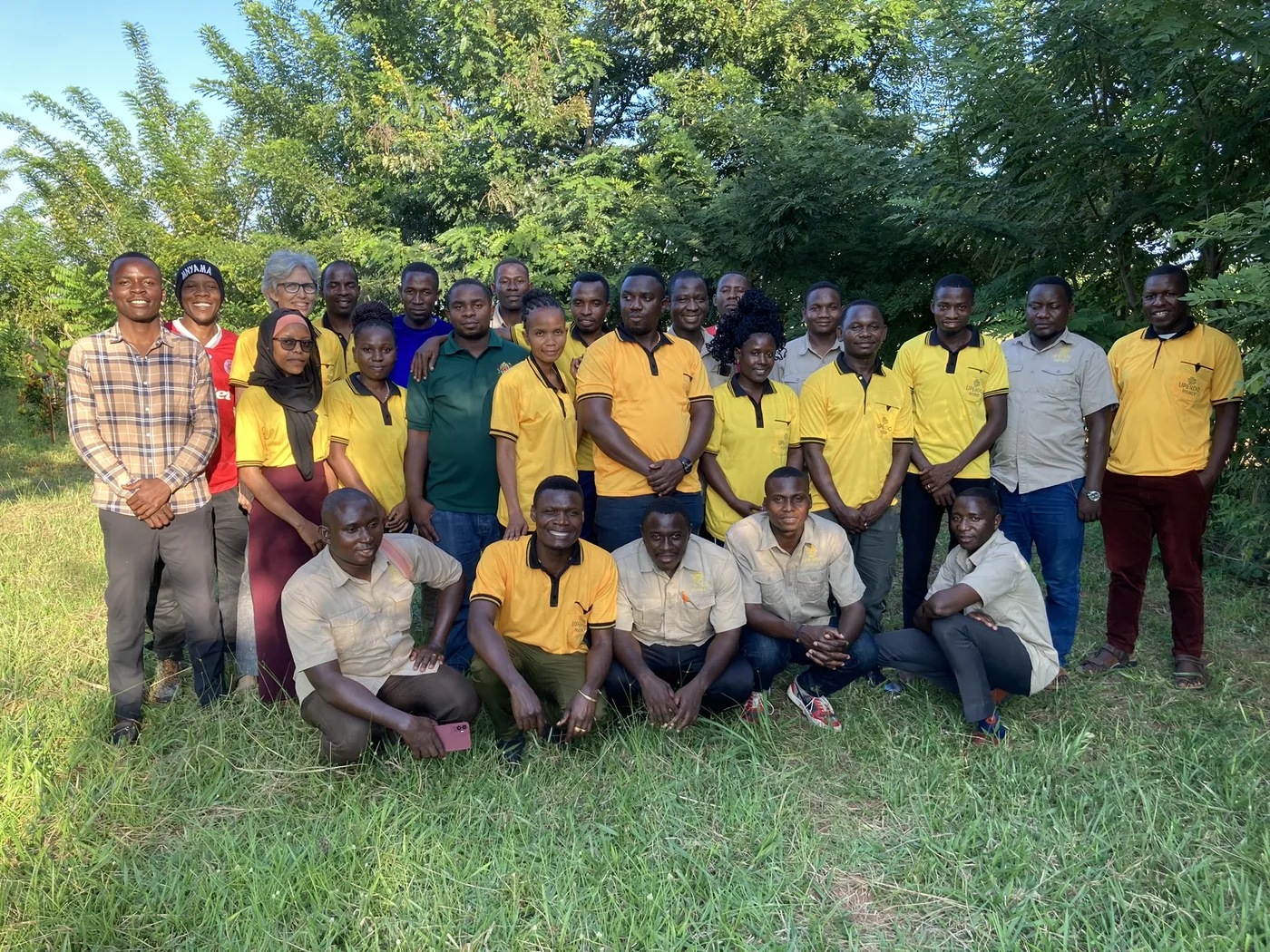
Supporting the beekeepers is our network of field officers, who work closely with beekeeper communities. They are trained in both beekeeping best practices and our sustainability standards, working year-round to assist, train and monitor operations.
They are the bridge between our beekeepers and our processing facility, ensuring quality and consistency in every bucket of honey.
Audits and training
We conduct regular forest audits to ensure honey quality and sustainability practices are being followed.
During these visits, field officers provide guidance and hands-on training, helping beekeepers improve yields, reduce rejected honey, and build skills in finance and hive management.